

Overview deck

Technology stack

System of systems — Sensing paths, optical modulation, and display scheduling are co-designed so each stage exposes bounded latency and known state. That makes the pipeline testable and deployable in power-constrained wearables.

Accommodation-aligned cues — We target coherent vergence and accommodation relationships so users can sustain focus on virtual content similarly to real objects at comparable distances.

Figures and diagrams mirror the technology narrative from the overview deck.

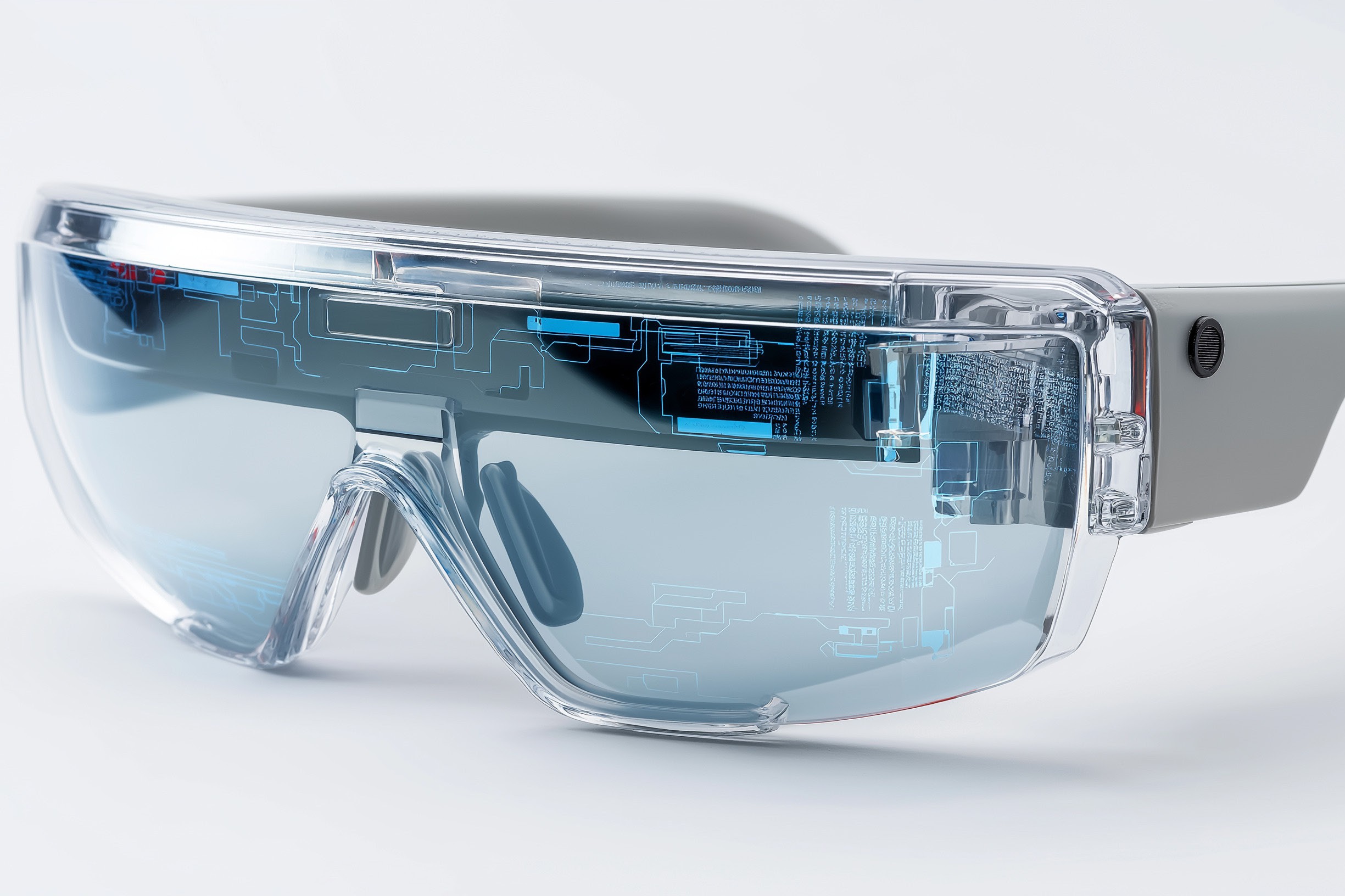
Deck slide art: optics and engineering stack.
Deck: core pillars

Core technology pillars

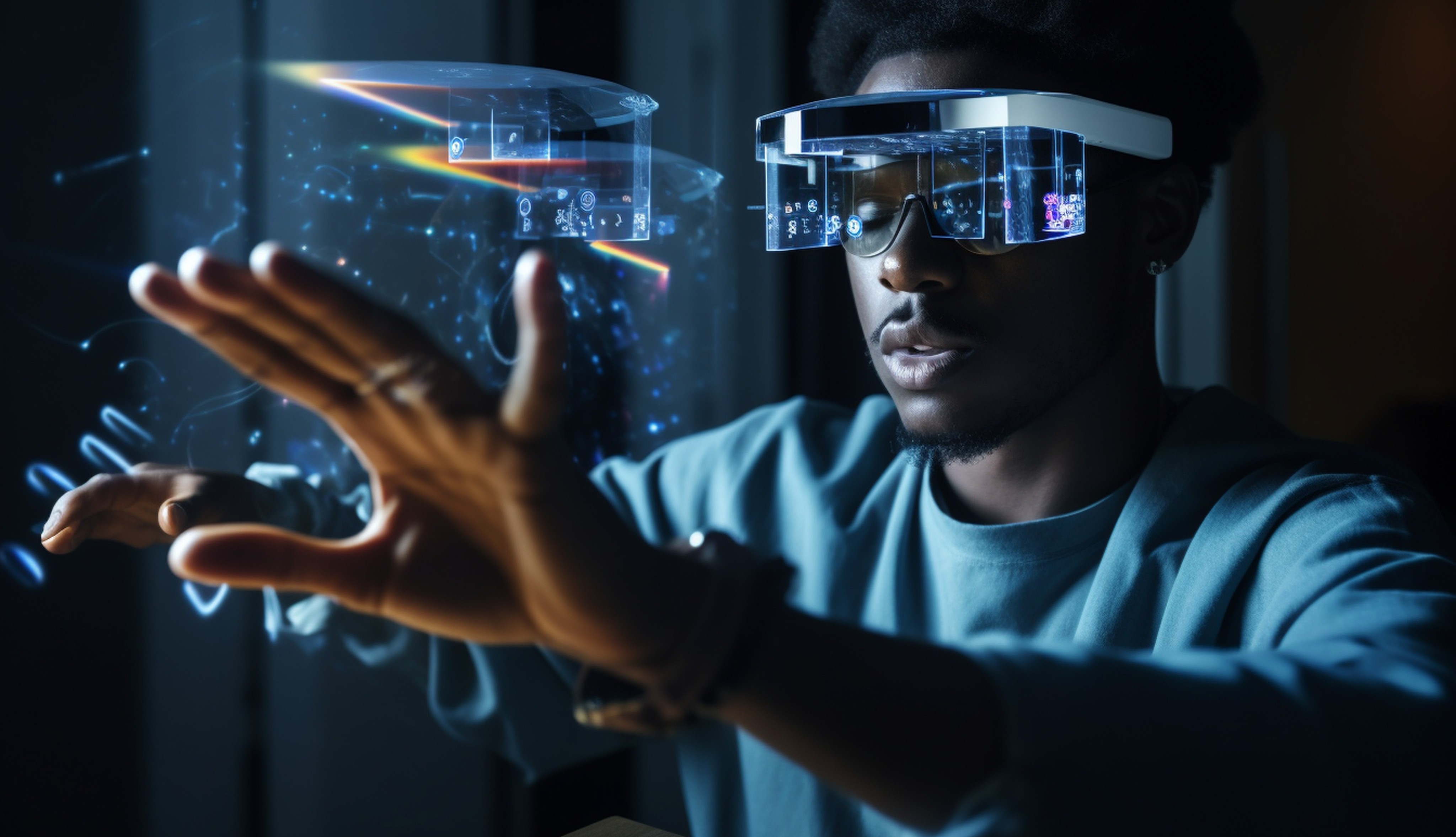
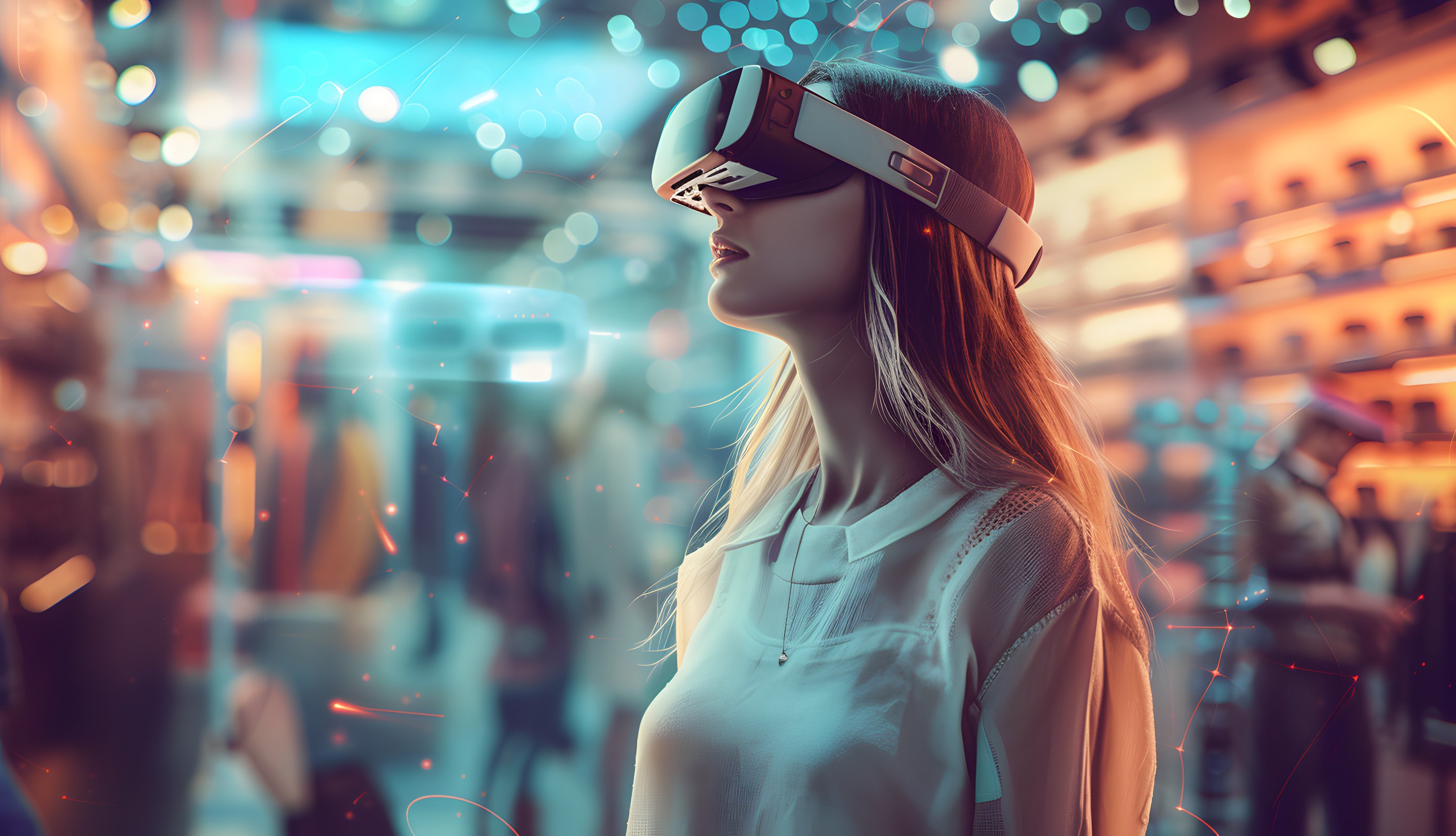
Deterministic rendering, intelligent lenses & sensing, self-sustaining frames, and on-device spatial computing—each pillar illustrated with a different slide export. Public copy avoids pipeline-specific figures (see deck under NDA).

Immersive wearable experience (illustrative).

Deterministic rendering & sensor fusion

A proprietary deterministic engine for stable AR visuals with fused sensing—publicly described by wearer outcomes, not by millisecond claims or sensing-to-display path detail.

Deck art: smart glasses HUD / lens and sensor story.

Intelligent lenses & kinetic field sensing

Ambient energy harvesting lenses to boost perceived brightness; kinematic field sensing for precise, touchless control without detailing spectrum or sensor physics on the public site.

Deck art: optics stack and engineering integration.

Self-sustaining frames

Ambient harvesting aligned to optics and advanced PMU to support all-day wearable power budgets.

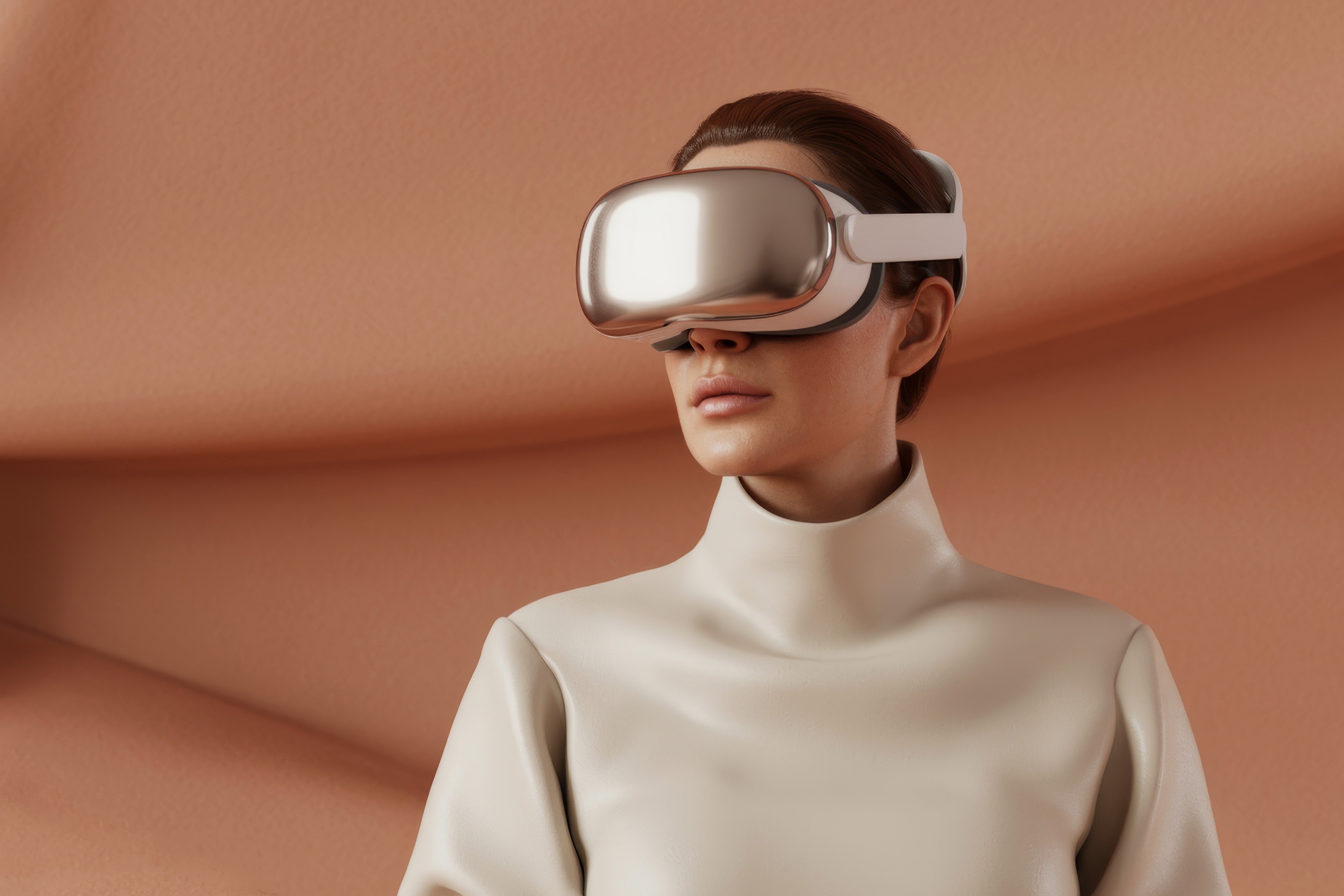
Deck art: wearable headset / on-device compute context.

ChronoOptix custom spatial processor

On-device path for real-time AI, fused sensing, and privacy-focused AR processing without relying on the cloud for the core loop—publicly referred to as the custom spatial processor.

Field behavior

Optics you can schedule

When holographic elements, depth compositing, and real-world passthrough share one timeline, the headset stops “surprising” the user’s visual system. That is the difference between a demo and a deployable platform.

Outdoor, high-contrast scene (illustrative).
Deck: architecture

Stack in depth

How control, power, and industrial design stay one narrative—without repeating the pillar cards above.

Control path

Intent-aware control path

Attention and gaze cues map into the optical control loop in a privacy-conscious way—without turning the headset into an always-on analytics device. Policies can be strict: local processing, optional air-gapped operation, and no cloud dependency for the core rendering path.

Power & thermals

Energy and thermal envelope

Where ambient harvesting is part of the product story, it feeds auxiliary energy budgets that offset depth-related compute and optical drive—keeping head-mounted thermal rise within budgets suitable for extended wear.

Hardware coherence

Wearable integration

Industrial design, materials, and optical stack stay one conversation—what wearers see when light hits the visor has to match what the program promised in the lab.

For a technical deep dive or NDA materials, use the contact form or the briefing block below.

Next step

Schedule a partner or investor briefing

Use the secure contact form on the Contact page for agendas, diligence, press, or OEM discussions.

The full inquiry form lives on the Contact page.